Key Takeaways
- Use the Philadelphia city page for fixture, stadium and match-date context.
- Compare lodging, rail and airport timing before choosing Philadelphia as a base.
- Confirm match tickets, local transport, TV fallback and travel rules before booking.
Source role matrix
How Each Reference Supports This Article
Why Philadelphia Belongs in Travel Planning
Some fans will choose a host city because it has a target match. Others will choose it as a practical base for lodging, transport and nearby watch or travel options. Philadelphia belongs in that second question because it can sit between the match itself and a wider Northeast travel plan.
The city should not be evaluated only by hotel price. A useful Philadelphia plan starts with the World Cup 2026 schedule, then checks Lincoln Financial Field match dates, arrival timing, local stadium access, nearby cities and the cost of moving between locations.
Philadelphia fits the base-city discussion because users may compare it with New York New Jersey, Boston and other Northeast routes before deciding where to stay. That comparison can be useful, but it should always be tied back to the fixture table and the actual match the fan wants to attend.
Fixture First, Hotel Second
A cheaper room is not helpful if it creates the wrong match-day route. Before booking Philadelphia as a base, users should identify the exact fixture, the stadium, the kickoff window and the likely arrival or departure day.
The Philadelphia city schedule guide should answer the structured questions: which matches are in Philadelphia, which dates matter, which stadium hosts them and which match detail page should the user open next. A News article can explain the affordability angle, but the city page owns the fixture facts.
If the fan is following a team rather than one city, the team route may matter more than the Philadelphia price story. In that case, compare the team schedule, host cities and bracket path before locking in a base.
Northeast Corridor Comparison
Philadelphia is part of a Northeast corridor planning conversation. Fans may compare it with New York New Jersey, Boston, Washington DC watch-party routes or other nearby travel options depending on the match and the budget.
That does not mean Philadelphia is automatically the best base. The right comparison is match-specific: total lodging cost, rail or flight timing, stadium transfer, return travel after kickoff, ticket status and backup viewing plan.
For users considering multiple cities, the Host Cities hub should be the next step. It lets the user move from the Philadelphia article into the structured comparison layer without treating one local news angle as a full travel plan.
Ticket and TV Fallback Planning
A Philadelphia base plan should include both ticket and TV fallback logic. If the target ticket becomes unavailable or too expensive, the user may still want to stay in the area for watch parties, nearby travel or a different match window.
That is why a city-base article should link to the Tickets guide and TV Schedule hub. Tickets answer whether the in-stadium plan is possible; TV and where-to-watch pages answer what happens if the user watches from a hotel, public venue or local gathering.
For families or groups, the fallback plan may be just as important as the first-choice match. A group that cannot all secure tickets may still need a city itinerary, local viewing plan and schedule reminders.
How to Use the Schedule Before Booking
Open the Philadelphia city page first, then compare match dates, nearby cities, train or flight timing, ticket access and TV fallback options. If the match is part of a knockout route, add the bracket hub before treating the matchup as fixed.
A local affordability story should not replace the city guide. It should explain the planning angle and send users to the structured fixture page, host-city comparison, ticket guide and TV workflow.
The final booking checklist should include match number, date, stadium, hotel location, transport buffer, ticket status, local event guidance and a viewing backup. Only then does the base-city decision become practical.
What This Means for News Coverage
News coverage can highlight why Philadelphia is worth considering, but it should not present the city as a guaranteed cheap solution for every fan. Prices, availability, travel schedules and match demand can change quickly.
The editorial job is to separate the local planning idea from the booking decision. This article can explain why Philadelphia belongs in the comparison set, while the Host Cities hub and Philadelphia city page keep the structured planning details organized.
That pattern also protects the site architecture: News explains the local angle, the city page answers the Philadelphia fixture question and the main Host Cities hub remains the comparison layer.
World Cup 2026 Philadelphia Affordable Base Planning FAQ
Should Philadelphia planning start with hotel prices or fixtures?
Start with the fixture and date window, then compare lodging, transport and nearby city options.
Where is the structured Philadelphia fixture list?
Use the Philadelphia city schedule guide for local fixtures and stadium context.
Can Philadelphia work as a base for nearby World Cup 2026 matches?
It can be part of a Northeast corridor comparison, but users should check match dates, rail or flight timing, hotel location and return travel before booking.
What should I confirm before booking Philadelphia for World Cup 2026?
Confirm the target match, ticket status, stadium access, local transport, lodging terms, TV fallback and any official travel or venue guidance.
Sources and image credits
External Sources and Image Attribution
This article summarizes external reporting and official sources in original wording, then points readers back to the stable wc26schedule planning hubs.
Referenced sources
Image credit

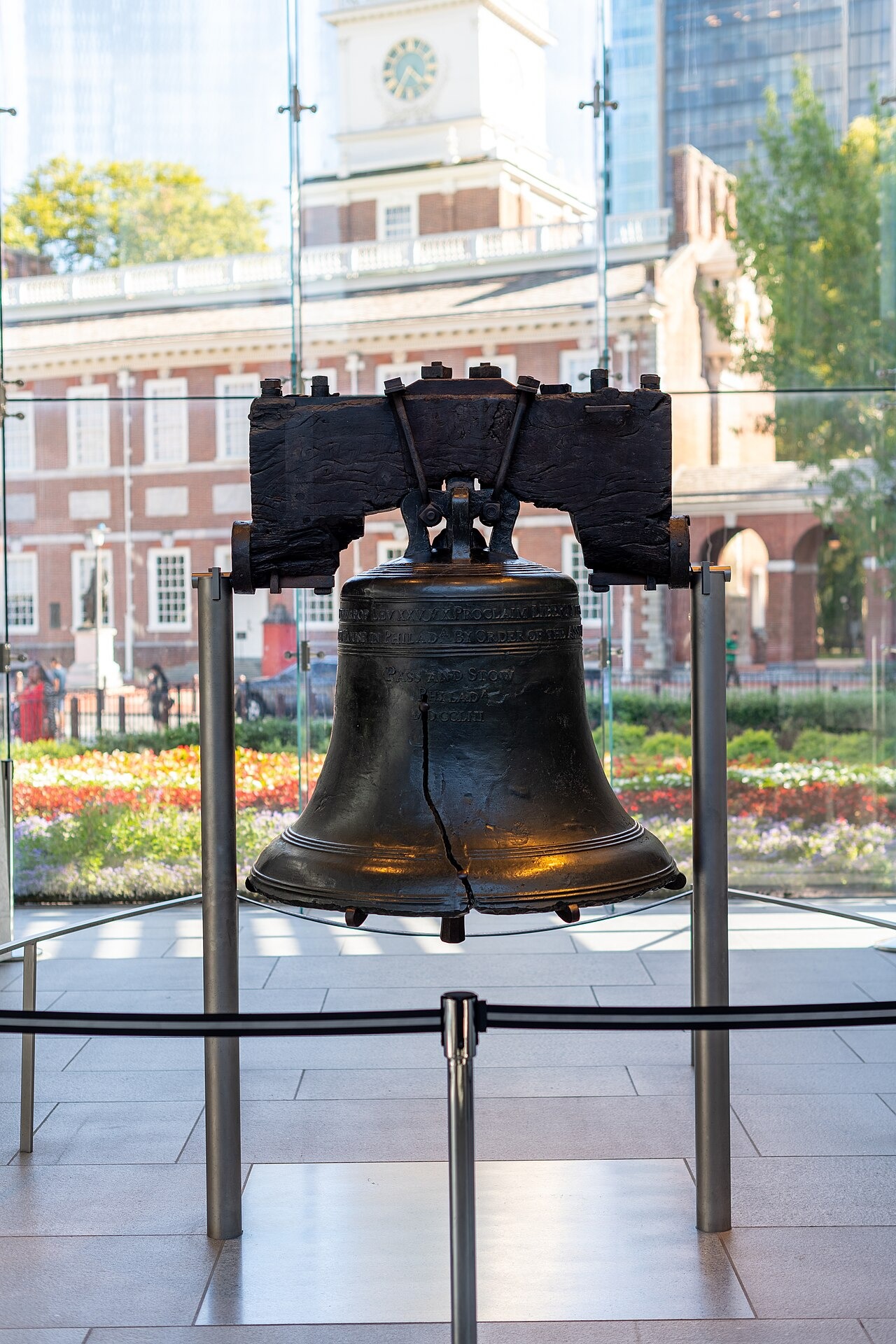
Used to represent Philadelphia host-city planning context.
External articles and images are used for attribution, context and planning support. Official schedule, ticket, stadium and broadcaster details should be checked before paid or time-sensitive decisions.