Key Takeaways
- Pick the exact match, city, stadium and kickoff window before checking tickets.
- Use FIFA ticket, resale or exchange paths instead of unsupported marketplace claims.
- Confirm availability, transfer rules, travel fit and TV fallback before paying.
Source role matrix
How Each Reference Supports This Article
Start Every Ticket Check with the Match
A World Cup 2026 ticket decision is not just a price decision. It depends on match number, kickoff time, stadium, host city, stage, team route and the travel window around that match. A lower price can still be the wrong plan if the match is in the wrong city, overlaps with a flight day or requires a longer local transfer than expected.
Use the schedule page to identify the fixture first. Match number, date, host city and stadium should be stable planning fields before a user opens ticket sales, resale, exchange, hospitality or travel pages. If the team is still a knockout placeholder, pair the ticket check with the bracket hub before treating the matchup as final.
For last-minute buying, the schedule-first habit protects users from two common mistakes: buying for the wrong stadium and treating a generic ticket headline as if it confirmed real availability for one match. The article should push readers toward the exact match page, then the detailed ticket guide.
Official Ticket Path vs Marketplace Path
The official FIFA tickets page is the starting point for public sales, last-minute sales, ticket transfer, legal documents and marketplace access. It is also where fans should expect availability language to be conditional rather than guaranteed. This page should never state that a ticket is available unless the official ticketing flow confirms it at the moment the user checks.
The FIFA Resale/Exchange Marketplace has a different role. It is designed for fans who need an official path to buy tickets originally purchased by other fans, or to resell or exchange eligible tickets under the relevant rules. That distinction matters because a resale or exchange listing is not the same as a new public sales phase.
This News article should help users choose which path to inspect. If they are trying to buy a specific match, open FIFA tickets and the ticket guide. If they are comparing secondary availability, use the official resale or exchange path and read the conditions before acting.
Last-Minute Sales Checklist
A last-minute ticket check should move in a fixed order: match, date, stadium, host city, ticket source, account access, transfer rule, travel fit and TV fallback. Skipping that order makes it easy to over-focus on price while missing a schedule conflict.
The host city check is especially important for World Cup 2026 because the tournament spans three countries and many long-distance routes. A user looking at Miami, Dallas, Boston, Philadelphia, New York New Jersey or another city should compare the stadium page, local airport timing, hotel pressure and match-day transfer before buying.
The TV fallback also belongs in the buying workflow. If the ticket path is uncertain, a fan may still want to save the broadcast window, watch-party option or authorized streaming route. That is why a ticket article should link to both the Tickets guide and the TV Schedule hub.
How News Should Cover Ticket Updates
A News article can summarize ticket-source context, but it should not claim availability, sell tickets or guarantee access. Ticket status can change faster than a static article can be updated, and availability may vary by match, category, buyer location, sales phase and official marketplace rules.
When ticket news affects a specific city or knockout route, link readers to the matching city guide, bracket page or event page before they make paid plans. A semifinals or final-week ticket decision needs bracket context; a group-stage ticket decision usually needs team, city and stadium context.
The editorial standard is to use source links for context and site links for planning. FIFA tickets answer ticketing status questions, while wc26schedule should answer which match, city, route, TV window and planning page the user needs next.
What to Do Before Paying
Before paying for any World Cup 2026 ticket, verify the match number, stadium, host city, kickoff time, ticket source, account details, transfer limitations and refund or resale conditions. If the match is tied to a team route, confirm whether the team is fixed or still dependent on standings or bracket results.
If the buyer is traveling, add local planning checks: airport arrival buffer, hotel location, stadium access, parking or transit, safety guidance and return travel. If the buyer is not traveling, save the TV schedule and where-to-watch path as a backup.
This is why the correct next step from a ticket news page is rarely just one link. Most users need the Tickets guide, the Schedule hub, the Host Cities hub and sometimes the Bracket or TV hub before the buying decision is complete.
World Cup 2026 Tickets Last-Minute Sales and Marketplace Checks FAQ
Does wc26schedule sell World Cup 2026 tickets?
No. wc26schedule is an independent planning guide and does not sell tickets, manage accounts or guarantee availability.
What should I check before buying World Cup 2026 tickets?
Check match number, date, kickoff time, host city, stadium, ticket source, travel fit and refund or transfer rules before paying.
Should I use resale or exchange listings for World Cup 2026 tickets?
Use only official FIFA resale or exchange paths and read the applicable rules. Listings, fees, eligibility and availability can vary, so confirm details inside FIFA ticketing before acting.
Do hospitality packages replace regular tickets?
No. Hospitality is a separate official ticket-inclusive package path. Compare it with the standard ticket and marketplace paths, then confirm the exact product, match and city before paying.
Sources and image credits
External Sources and Image Attribution
This article summarizes external reporting and official sources in original wording, then points readers back to the stable wc26schedule planning hubs.
Referenced sources
Image credit
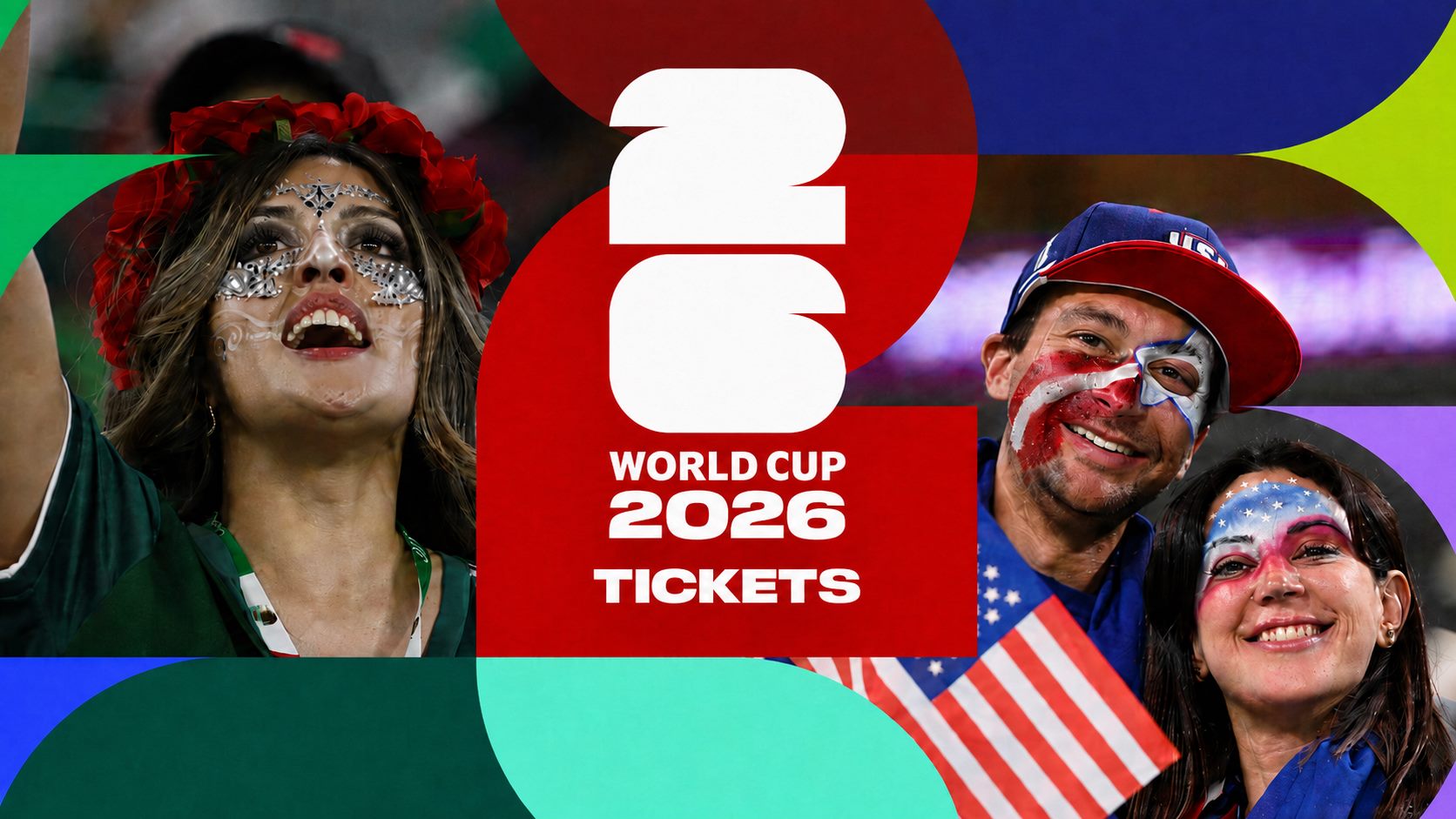
Used to illustrate ticket planning, last-minute buying and marketplace checks.
External articles and images are used for attribution, context and planning support. Official schedule, ticket, stadium and broadcaster details should be checked before paid or time-sensitive decisions.