Key Takeaways
- Use BBC and ITV sources for final UK coverage and streaming details.
- Use wc26schedule for match windows, bracket context and schedule navigation.
- Recheck app access, channel listings and kickoff times close to match day.
Source role matrix
How Each Reference Supports This Article
Why the UK TV Split Matters
The BBC and ITV match split matters because UK viewers do not only need to know that the tournament is shared. They need to know which broadcaster owns the match they care about, whether it is available on linear TV, which streaming app is involved and how the kickoff time fits their day.
A viewing plan still starts with a match. The key planning fields are date, kickoff time, stage, team route and whether the match is group-stage or knockout. A group match with named teams is easier to save than a future knockout placeholder, because the broadcaster path may be known before the exact teams are.
Use the TV schedule hub to compare match windows, then confirm final coverage, channel, app and streaming access with the authorized broadcaster. This article should explain the planning impact of the split, not replace BBC or ITV listings.
How BBC and ITV Sources Should Be Used
The ITV press-centre announcement is useful because it frames the shared coverage plan and tells users that the split has been organized around major matches and national-team interest. BBC Sport coverage explains how broadcast picks are made and why the split should be read as a rights and scheduling plan rather than a simple alphabetical channel list.
For UK users, that means the source hierarchy is clear. FIFA and the official match schedule define the fixture. BBC and ITV define the authorized UK viewing path. wc26schedule should connect those two layers so readers can move from match time to viewing action.
A page like this should not invent a channel grid. It should show readers where the official broadcaster confirmation lives, then send them to the TV Schedule hub, Where to Watch page, bracket page or specific match page depending on the decision they are making.
Group Stage vs Knockout Viewing
Group-stage matches are easier to plan because teams, cities and dates are fixed once the draw and qualification path are known. A UK viewer can save the kickoff window, identify the broadcaster and then check whether the match falls during work, travel or evening viewing time.
Knockout matches need more caution. A broadcaster may have a match slot, but the teams can remain placeholders until the bracket is resolved. That is why TV planning should link to the bracket hub and standings pages before a user treats a future round as a confirmed team matchup.
For England, Scotland, Wales, Northern Ireland, the Republic of Ireland or other teams followed by UK viewers, the useful workflow is schedule first, broadcaster second, bracket context third. The TV split becomes practical only after the user knows which match or route they are tracking.
Streaming and App Access Checks
Streaming access should be checked separately from the channel name. A user may know that a match is on BBC or ITV, but still need to confirm iPlayer, ITVX, account requirements, device compatibility, travel restrictions, app updates and language or accessibility options.
Close to match day, viewers should recheck the broadcaster page or app rather than relying on an old screenshot or a copied listing. App interfaces, sign-in flows and live-event placement can change during a tournament with 104 matches.
This is especially important for watch parties, pubs, offices and shared screens. The person organizing the viewing plan needs a confirmed broadcaster route, enough time for setup and a backup plan if streaming access fails.
How to Use This Without Guessing Listings
Before full match-by-match listings are final, avoid treating any one summary as a complete channel grid. A News article should summarize the source and explain how it affects planning, then direct users to the official broadcaster source for the final viewing detail.
For knockout matches, pair the TV schedule with the bracket hub so users understand why a future placeholder match may matter. If the user is planning a semifinal, third-place match or final-week viewing event, the bracket route can be just as important as the broadcaster name.
The safer language is: use wc26schedule to find the match window and planning route, then confirm final coverage with BBC, ITV or the relevant authorized broadcaster. That keeps the page useful without pretending to be a live rights database.
What UK Viewers Should Save
A practical UK reminder should include match number, teams or route placeholder, stage, kickoff time in the viewer's timezone, broadcaster, streaming app, backup viewing option and the related schedule or bracket link.
If the match involves travel or a gathering, add host-city context even for viewers who are not attending in person. Major matches can affect pub demand, watch-party planning and workday scheduling. A TV article should therefore connect to schedule, bracket and where-to-watch pages rather than staying as a single paragraph about broadcasters.
The final action is simple: save the match from the schedule hub, check the TV hub for the viewing workflow, then confirm the channel or stream with the broadcaster close to match day.
World Cup 2026 UK TV Match Split FAQ
Where should UK viewers confirm World Cup 2026 TV details?
Use authorized broadcaster sources for final channel, streaming and app details.
Can wc26schedule replace official TV listings?
No. wc26schedule organizes match windows and planning links, but final broadcaster listings should be checked with the rights holder.
Should UK viewers save knockout matches before teams are known?
Yes, but save them as route or placeholder matches. Use the bracket hub and standings pages to understand how the teams will be decided.
What should I check before streaming a World Cup 2026 match in the UK?
Confirm the broadcaster, app, account access, device setup, kickoff time, backup route and any travel or location restrictions close to match day.
Sources and image credits
External Sources and Image Attribution
This article summarizes external reporting and official sources in original wording, then points readers back to the stable wc26schedule planning hubs.
Referenced sources
Image credit

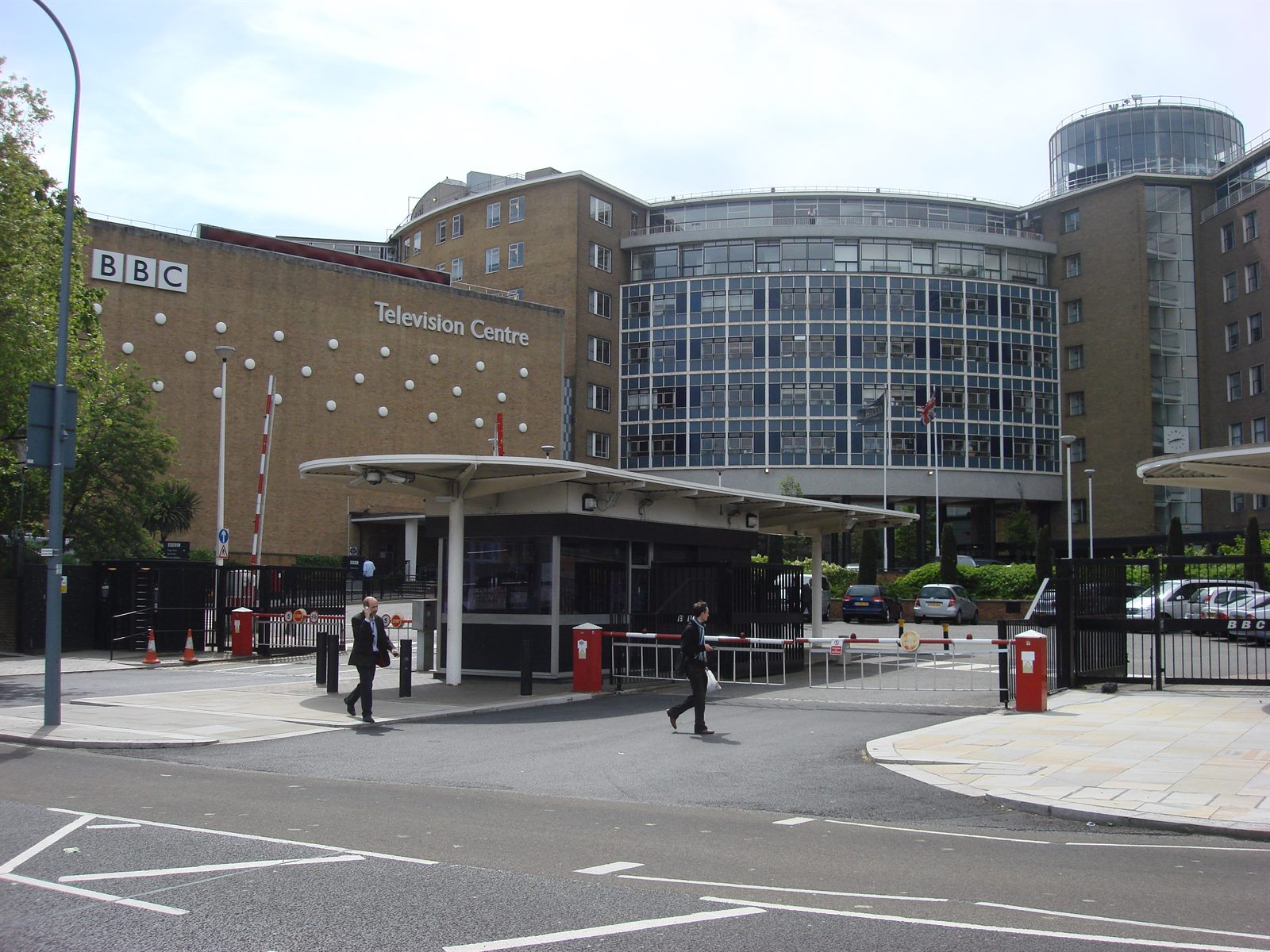
Used to represent UK broadcaster and TV schedule planning context.
External articles and images are used for attribution, context and planning support. Official schedule, ticket, stadium and broadcaster details should be checked before paid or time-sensitive decisions.