Key Takeaways
- Use the Dallas city page for local fixture density, stadium context and match-date clusters.
- Compare group-stage, Round of 32, semifinal and bronze-final windows before booking.
- Use bracket, tickets and host-city pages together for knockout-route planning.
Source role matrix
How Each Reference Supports This Article
Why Dallas Needs a Dedicated Planning Route
A host city with a large match load creates more than one planning question. Users may compare multiple dates, repeat stadium visits, knockout routes, ticket windows and hotel timing in one city. Dallas is not just another stop on the fixture list; it is a city where users may build an entire World Cup itinerary.
That makes Dallas a strong example of why city pages should not be thin summaries. They should organize fixtures, stadium context and links into match detail pages, then connect users to bracket, tickets, TV and travel planning.
The News angle is the planning implication of density. A high number of matches can be useful for travelers who want multiple fixtures in one metro area, but it also raises hotel, transport and demand questions.
How the Nine-Match Load Changes Planning
Nine matches create clusters. A fan may attend one match, follow a team through a possible route, or build a multi-match trip around the city. Each option has different ticket, hotel and transport consequences.
The first task is to separate fixed group-stage fixtures from knockout placeholders. Group-stage matches can be planned by team, date and city. Knockout matches need bracket context because the teams may not be known until earlier results are complete.
Dallas planning should therefore connect the city page with the Bracket hub. The city page answers which matches are local; the bracket page explains why a future placeholder might matter.
AT&T Stadium and Local Travel Checks
Dallas-area planning should include stadium location, airport choice, hotel base, traffic timing, rideshare or parking plans and return travel after late matches. A large stadium and a high match count can create different pressure points on different dates.
The user should avoid booking only around a city name. Dallas match planning is really a Dallas-Arlington stadium route decision, so lodging and transport should be checked against the stadium rather than only against downtown Dallas.
The Host Cities hub should help users compare Dallas with other cities, but the Dallas city detail page should own the local schedule and stadium handoff.
Ticket and Bracket Route Impact
A dense Dallas schedule can affect ticket strategy. Users may compare one guaranteed group-stage match with a higher-demand knockout match, or they may keep a flexible plan until the bracket route becomes clearer.
For knockout-stage matches, the ticket decision should not be made from a generic Dallas headline. The user needs match number, round, date, route placeholder, official ticket path and a plan for what happens if the desired team does not reach that match.
This is why Dallas News should link to Tickets and Bracket. Tickets answer availability and rules; Bracket explains the route; the Dallas page anchors the local venue context.
How to Use the Dallas Schedule
Start with the Dallas city page, then filter by stage, date and match number. If a match connects to a knockout route, open the bracket hub and event page before ticket or travel decisions.
Use News articles for planning context, not as the final fixture source. The fixture table, city page and match detail page should remain the structured source for date, stadium and route links.
A useful Dallas plan should include the target match, nearby match opportunities, ticket path, stadium transfer, hotel base, TV fallback and official source confirmation before payment.
What This Means for Host City SEO
Dallas is a good example of a News article supporting a city hub instead of competing with it. The News article explains why the city's match load matters; the Dallas city page should answer the detailed fixture question.
This distinction is important because city News can easily become too broad. If the article tries to rank for every Dallas fixture detail, it competes with the city page. If it focuses on planning context and links clearly to the city guide, it strengthens the cluster.
The correct internal link language should say things like open the Dallas city schedule guide, compare Host Cities or follow the Bracket hub for knockout route. That tells users and search engines which page owns each deeper task.
World Cup 2026 Dallas Nine-Match Schedule Planning FAQ
Why is Dallas important for World Cup 2026 schedule planning?
Dallas has a high fixture load, so users may need to compare multiple local dates, stages and ticket windows.
Where should Dallas planning start?
Use the Dallas city schedule guide for local fixtures, then open match detail or bracket pages as needed.
Should Dallas travelers compare multiple matches?
Yes. A nine-match host city can support one-match, multi-match and knockout-route planning, but each option needs ticket and transport checks.
What should I confirm before booking Dallas travel?
Confirm match date, stadium route, ticket path, hotel base, transport timing, bracket status and TV fallback before paying.
Sources and image credits
External Sources and Image Attribution
This article summarizes external reporting and official sources in original wording, then points readers back to the stable wc26schedule planning hubs.
Referenced sources
Image credit

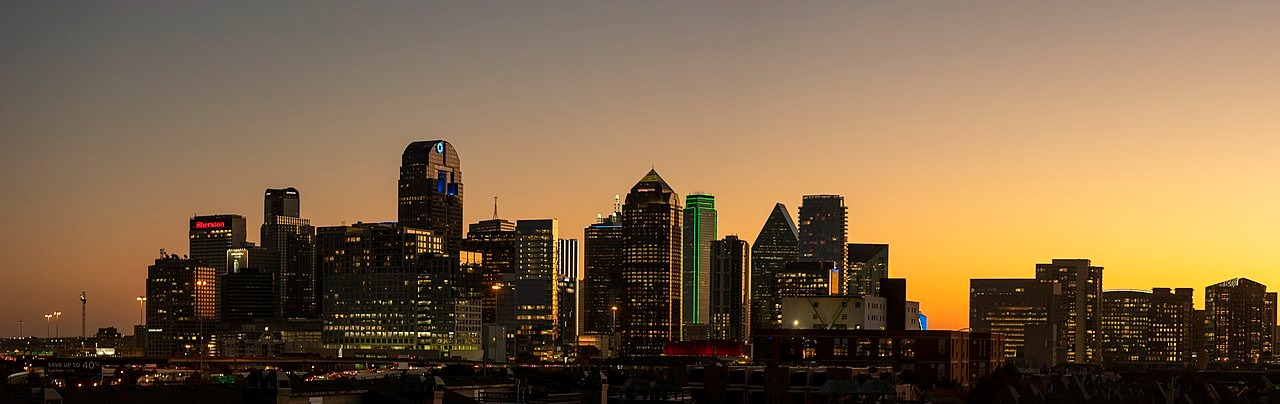
Used to represent Dallas host-city schedule planning.
External articles and images are used for attribution, context and planning support. Official schedule, ticket, stadium and broadcaster details should be checked before paid or time-sensitive decisions.